


September 28, 2016 In the continued battle between the federal and state governments regarding the legalization of marijuana, the 9 th U.S. Circuit Court of Appeals determined in August 2016 that the U.S. Department of Justice cannot prosecute marijuana cases when the defendant has followed medical guidelines under state law. The law also protects growers and dispensaries. Half of the states in the nation permit medical marijuana usage. Nine additional states, including California, have relaxed laws coming before the voters on the ballot in the upcoming November elections. However, the sale of marijuana is still a federal crime although the DOJ cannot interfere with state regulations of the drug. The cases before the 9 th Circuit related to 10 incidents involving defendants in Washington and California who wanted a dismissal of their federal charges. The Court agreed to the dismissal with the stipulation that the defendants strictly followed all related state laws, which will now be decided by the lower courts. The ruling went before a three-judge panel, who all agreed despite the conservative views of two of the judges. However, Judge Diarmuid O’Scannlain opined that the ruling does not keep medical marijuana users from following the law. The ruling occurred just days after the Obama administration opened doors for further research with the drug, including clinical trials and plant growth. The DOJ countered that they wanted limited prosecution and claimed that the state could still apply their rulings to medical marijuana laws. However, the court felt that this interpretation was a stretch and ruled that it conflicted with the overall tone of the law, citing a rider permitting the use of the drug on an appropriations bill. However, Congress might later drop the rider, jeopardizing the status of medical marijuana users . The DOJ could again seek prosecution in these cases until the federal government addresses cannabis reform on a more permanent basis. Larry Bellomo is the most trusted Orange County Bankruptcy and Family Lawyer. If you have any Family Law or Bankruptcy needs, give Orange County’s premier attorney a call.

Learn the first steps in the divorce process with Larry Bellomo Attorney at Law in Mission Viejo, CA. Expert family law guidance—click to read our guide now.

January 28, 2018 According to an October 27, 2017, announcement, the Los Angeles jeans company, True Religion, exited Chapter 11 bankruptcy with about $357 million less debt, debt maturities extended, cash to implement a growth plan and a positive outlook for the future. The company emerges with a reduced retail footprint and an exit loan of $60 million from Citizens Bank, the same bank that provided the initial cash during the reorganization process. At the peak of the company, True Religion jeans were selling anywhere from $150 to $250 a pair at their nearly 140 stores and online. The brand also sold at upscale department stores, such as Bloomingdales, Saks Fifth Avenue and Nordstrom and at other locations in the U.S., Mexico and South America. Around 2013, True Religion, like many other apparel stores, struggled for success, watching sales decline as it competed with the internet, online shopping and competing discount retailers. The rapid growth in the trend of athletic wear for leisure caused the sales of blue jeans to quickly decline. Behind $192,000 on rent for its California office headquarters and drowning in major debts owed to creditors, manufacturers, U.S. Customs and Border Protection and malls around the country, True Religion filed for bankruptcy on July 5, 2017, in a U.S. Bankruptcy Court in Delaware. At the time of filing, the company had 128 stores in the United States and 11 stores outside the country. The company made some major changes, hiring John Ermatinger as CEO and president and bringing on a new chief marketing officer and a new vice president of sourcing. They also reduced costs, streamlined processes and closed unprofitable stores. John Ermatinger publicly thanked the company’s supporters — consumers, employees, vendors and suppliers — for their ongoing commitment and devotion to True Religion. He expressed his excitement regarding the future of the company, which includes implementing new growth strategies through innovative partnerships, expanding True Religion’s digital presence and refining its marketing operations. You do not have to be a major corporation to file bankruptcy , Like in the case of True Religion, bankruptcy allows individuals to emerge in a better financial position than before. Our legal team can help you navigate through these difficult times.
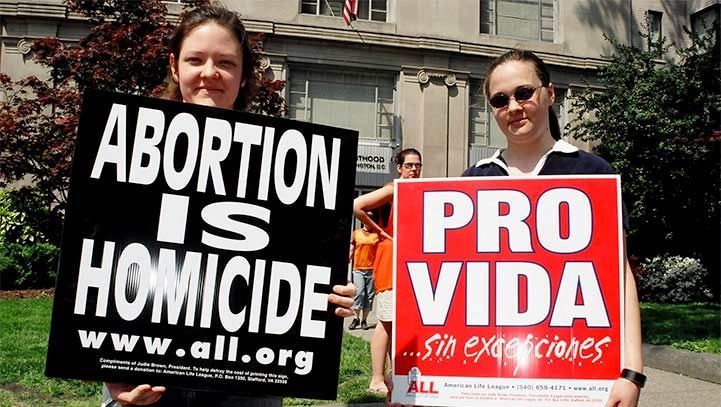
January 16, 2018 A Fresno State professor who intimidated a pro-life group was ordered to pay $17,000 and attend training on the First Amendment. He was recorded on video in an attempt to harass pro-life students who were drawing with chalk on the sidewalk. He also asked students from his public health class to assist him in his efforts. He claimed they were outside of the campus free speech area, but no such area has existed on campus since 2015. The sidewalk messages suggested pro-life options for students. The president of the club stated that the First Amendment gives students the right to speak on campus. She documented an incident between herself and the professor on video. He can be heard telling her that she is not in a free-speech area. However, she claimed that she had school permission to be there and to be speaking. The professor began erasing the sidewalk messages with his shoe. He told her that she did not understand the areas where free speech was permitted on campus. Alliance Defending Freedom acted as legal representation for the group, the Fresno State Students for Life. The professor must pay $1,000 to the president and $1,000 to another student as well as legal fees. However, he said that the money was paid by his insurance company, so he is not concerned about the legal fees. He does not admit to any wrong actions but is willing to attend the training so that he can learn the opinions and thoughts of others. The president expressed her relief that he will not be able to harass them again and explained that the case was not about winning money. She was extremely surprised at his actions, especially on a public campus. She further opined that professors should encourage and not prohibit free speech. Legal counsel for the pro-life group stated that the professor’s behavior flagrantly violated the First Amendment He added that school officials do not have the right to restrict freedom of speech on campus. The school did not comment about the case. If you believe that your First Amendment rights have been violated, you will need experienced legal representation to defend you. Contact us so that we can discuss your case.

January 5, 2018 The complexities of any divorce include dividing money, property and assets between both parties. While this might not be as complex for a millennial as it is for a couple who has spent their lifetime acquiring possessions, both types of divorce require finding a qualified family lawyer to deal with the personal issues. Legal experts report that stereotypes claim that other generations are more loyal than millennials who don’t really value traditions. She continues that even though they wait to marry, they still place a high priority on the institution. However, she added that they will not tough out a relationship the way their parents did. This by no means makes a divorce any easier for millennials. They feel just as hurt and disappointed as any others who divorce , but their outlook for the future tends to be more optimistic. Although marriage rates in the U.S. continue to decline, divorce rates are also dropping. Millennials delay marriage until later in life, placing an emphasis on education and careers before taking this significant life step. Millennials tend to be more open to diverse relationships, including living together. In the past, prenuptial agreements held a negative connotation as if one of the parties expected the marriage to end. The more-practical millennials, who prioritize acquiring and preserving wealth, see the prenup as a planning tool and communication map to manage financial expectations and interests. Creating a prenup with a lawyer realistically deals with the uncertainty of the future and helps a couple draft specific plans. Millennials choosing to live together instead of marrying can benefit from an attorney’s expertise when drawing up a cohabitation agreement, protecting both parties and their assets in case the relationship ends. When couples know the laws regarding cohabitation , marriage and divorce in their state, they tend to be ready for even unexpected contingencies. Whether a couple plans to cohabitate, marry or file for divorce, planning for a big relationship step helps the individuals prepare for the future, no matter what happens in the marriage. Consulting with a knowledgeable, experienced family lawyer sets up both parties for success.

December 23, 2017 The 32-year-old mother entered the high rise in downtown Memphis as a memory tugged at the far corners of her mind. Suddenly, it came to her. She had been in this very building with her own mother for the same purpose — to file bankruptcy . She anguished over the decision but a court order had recently enforced a judgement against her that allowed a company to seize a portion of her check. With her struggle to make ends meet, the judgment would put an unbearable strain on her already overburdened finances — the proverbial straw that broke the camel’s back. Despite the stigma, she decided that bankruptcy would stop the vicious cycle of juggling bills each month so that she could now start fresh. She even dreamed of becoming a homeowner one day. While the U.S. Bankruptcy Court for the Western District of Tennessee in Memphis funnels millions of dollars to the court, the lawyers and the creditors, the debtors for whom the entire system exists don’t fare so well. The clients are stuck in a vicious cycle. Most people choose to file Chapter 7, which allows the person to start over from square one without seizing any debts. In contrast, Chapter 13 requires monthly payments while stopping car repossessions and home foreclosures. This method is most common in the South and was what this mother chose. She didn’t understand the difference between the two. However, filers who opt for Chapter 13 must continue making payments for five full years. Most cannot even last 12 months under the program. These individuals went through each and every step of the bankruptcy — paying filing and legal fees and dealing with a seven-year blemish on their credit record — but do not ultimately benefit from the program. Once they have defaulted, they revert back to all unpaid debts with interest rates higher than ever. When comparing Caucasian filings with African-American filings, the latter usually file under Chapter 13 but cannot complete the program. Some return for repeat filings, with a few filing Chapter 13 up to 20 times during their lifetimes. They view bankruptcy as a last resort. If you are considering bankruptcy, talk to our knowledge attorneys about which options — Chapter 7 or Chapter 13 — is best for you.



